
Masai Mara National Park is located in Kenya, near the border with Tanzania. It connects with Serengeti National Park in Tanzania. The park gets its name from the local Maasai people who live in the area. It covers about 1,510 square kilometers.
One of the most famous parts of the park is the sandy Talek River and the Mara River, which is where the second part of the park’s name comes from. These rivers provide water for both the wildlife and the Maasai people and their cattle.
The Masai Mara ecosystem has many important areas. These include Ol Derkesi, Kerinkani, Oloirien, Ol Chorro Oirowua, Olkinyei, Siana, Maji Moto, Naikara, Koiyaki, Lemek, and Kimintet Conservation Ranches. These areas help protect the land and the animals living there.
Masai Mara is one of the most visited parks in Africa. It has many animals and is one of the few places in Kenya where wildlife has stayed in large numbers for many years.
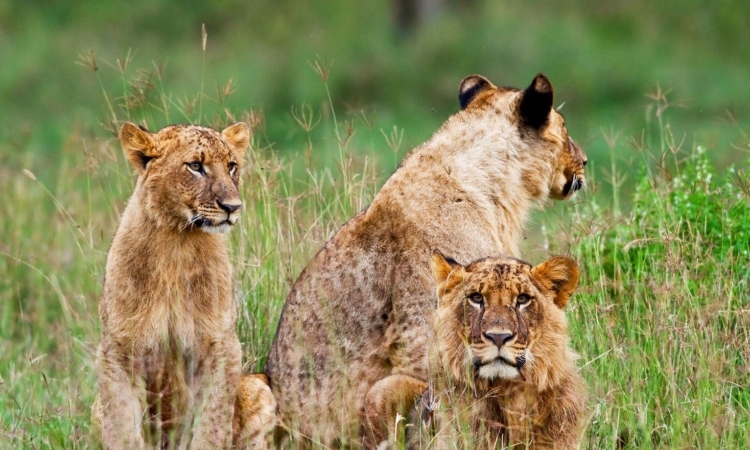
You can see almost all of Africa’s Big Seven animals here, except gorillas. Animals found in the park include lions, leopards, cheetahs, hyenas, hippos, giraffes, zebras, baboons, crocodiles, waterbucks, reedbucks, warthogs, elands, topis, gazelles, monkeys, and black rhinos.
Masai People
The Maasai live on the border between southern Kenya and northern Tanzania. They are known for keeping cattle, which are central to their way of life. Their clothes are colorful, often decorated with beads.
The Maasai live near the foothills of Mount Kilimanjaro, where the land is good for grazing cattle.
In Maasai culture, roles are based on age. Men usually take care of the animals. Wealth is measured by how many cows someone owns. The more cattle a man has, the richer he is, and he can have more wives.
Best Time to Visit Masai Mara
You can visit Masai Mara at any time of the year, depending on your budget and available time.
- Rainy/Low Season: Rainfall usually comes from March to mid-June and again from October to November. There are fewer tourists during this time. The landscape is green and good for photography. Rain doesn’t fall all day, so you can still enjoy your safari.
- Dry/Peak Season: This season runs from mid-June to September and December to February. The months from June to September are the best for watching the great wildebeest migration. If that is your goal, this is the best time to visit.