
Facts About Lake Nakuru National Park – Lake Nakuru National Park is found on the floor of the Great Rift Valley in central Kenya. It is one of the most visited parks in Kenya and a popular place for bird-watching safaris.
Key Facts About Lake Nakuru National Park
- It is located in central Kenya, on the floor of the Rift Valley.
- It is home to Lake Nakuru, one of the soda lakes in Kenya. This lake is a Ramsar site (since 1990), protected under the Ramsar Convention.
- The park covers an area of 188 square kilometers.
- It was first declared a bird sanctuary in the 1950s and later became a national park in 1968.
- The park is named after Lake Nakuru, the main feature inside the park.
- The word “Nakuru” comes from the Maasai language and means “dusty.”
- The endangered Rothschild’s giraffe was introduced to the park in 1977 as part of a conservation effort by the Kenyan government.
- The park became a rhino sanctuary in 1984 and now protects both black and white rhinos, which were introduced in the 1980s.
- The park is fully fenced with an electric fence to protect the rhinos and other animals from poachers.
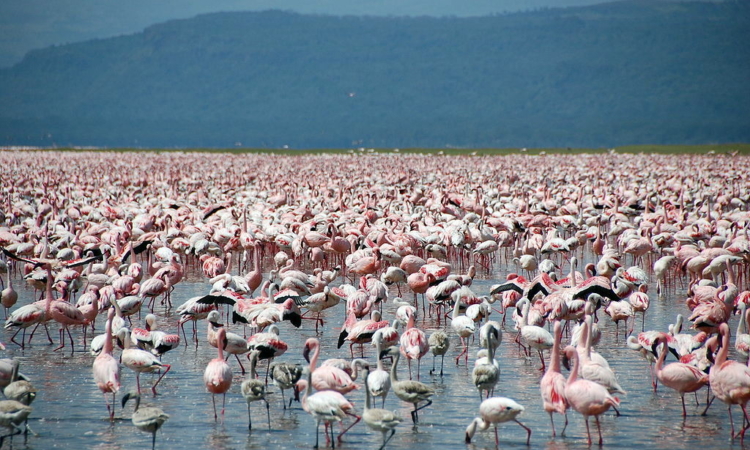
- Lake Nakuru is famous for its large numbers of flamingos (both lesser and greater) that feed and breed along the lake’s shores.
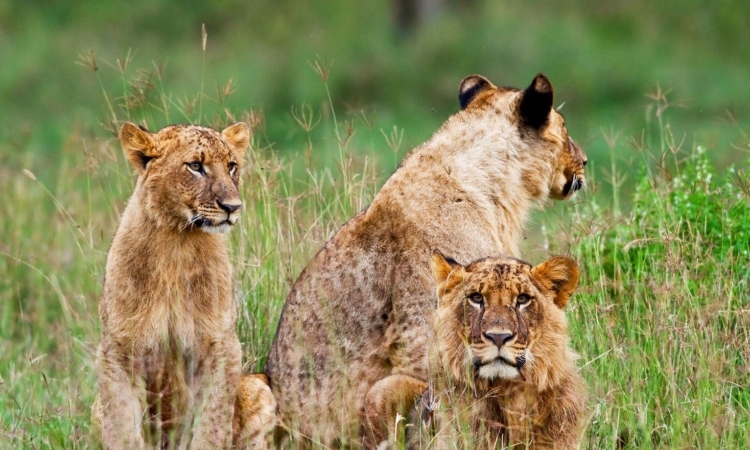
- The park is home to many animal species, including four of the Big Five: buffalo, rhino, lion, and leopard.
- Over 400 bird species live in and around Lake Nakuru, including in the wetlands and woodlands. This makes it one of the best bird-watching spots in Kenya.
- The park’s landscape includes Lake Nakuru, Savannah grasslands, woodlands, and scattered acacia trees.
Other Facts
- The park has scenic raised viewpoints like Lion Hill, Baboon Cliff, and Out of Africa Lookout. These are also popular picnic spots.
- There are many accommodation options both inside and near the park.
- Activities include game drives, bird-watching, hot air balloon rides, nature walks, and visits to Maasai communities.
- The park has two seasons: a dry season (June to September and early October) and a wet season (short rains and long rains from March to May).
- The best time to visit is during the dry season when the days are clear and animals are easier to see due to shorter grass.
Book Now