
Lake Nakuru National Park is a popular place to visit because of its natural beauty, but what makes it truly special is its unique ecosystem. The ecology of the area plays a big role in supporting everything that visitors enjoy here, including the large numbers of animals and birds. The habitat is so rich and balanced that over 400 bird species have been recorded in the park, including both local and migratory birds.
The Lake Nakuru ecosystem helps keep this balance. One of the key parts of the ecosystem is the algae found in the lake. The high amount of algae supports many types of aquatic life, which in turn helps feed the birds and other animals.
Algae’s Role in the Ecosystem
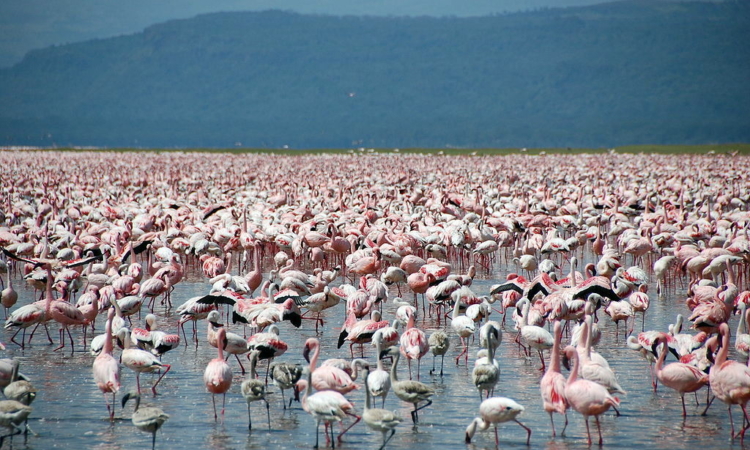
Algae play an important role in the Lake Nakuru ecosystem. They are the main food source for many aquatic animals. When you visit the park, you may notice how fish, flamingos, and other animals depend on this plant life. The flamingos, in particular, feed mostly on Spirulina, a type of blue-green algae, which is what gives them their pink color.
But algae are not just useful for feeding animals. In recent years, people have also started using algae for other purposes. One example is algae biofuel. This process involves collecting and processing algae to produce fuel. It is renewable and safe for the environment. The same algae floating in Lake Nakuru can be used in this way.
So, while the algae may seem like a simple part of the lake, they are at the heart of the food chain. They support fish and birds, and help maintain the balance of the entire ecosystem. Without them, the park would not be able to support such a large number of animals and birds.
Understanding the role of algae and the broader ecosystem helps us appreciate why Lake Nakuru is such an important place for both wildlife and people.